The CIÊNCIAS Mission
for Sustainability

The Faculty of CIÊNCIAS of the University of Lisbon (CIÊNCIAS ULisboa) recognizes the urgency of the environmental, social, and economic challenges that characterize our time. As an institution dedicated to the advancement of scientific knowledge, we assume an additional responsibility in building a sustainable future, not only through the production of excellent science, but also through the example of our practices and the training for a conscious and proactive citizenry.

It is with satisfaction that we present the second edition of our Sustainability Report, covering the period from 2022 to 2024. This document reflects our ongoing commitment to transparency and accountability, allowing us to assess the progress achieved and identify the challenges we still face on the path to a more sustainable institution.

Messages

Luís Carriço

Faculty Dean of CIÊNCIAS, University of Lisbon 2018-2025

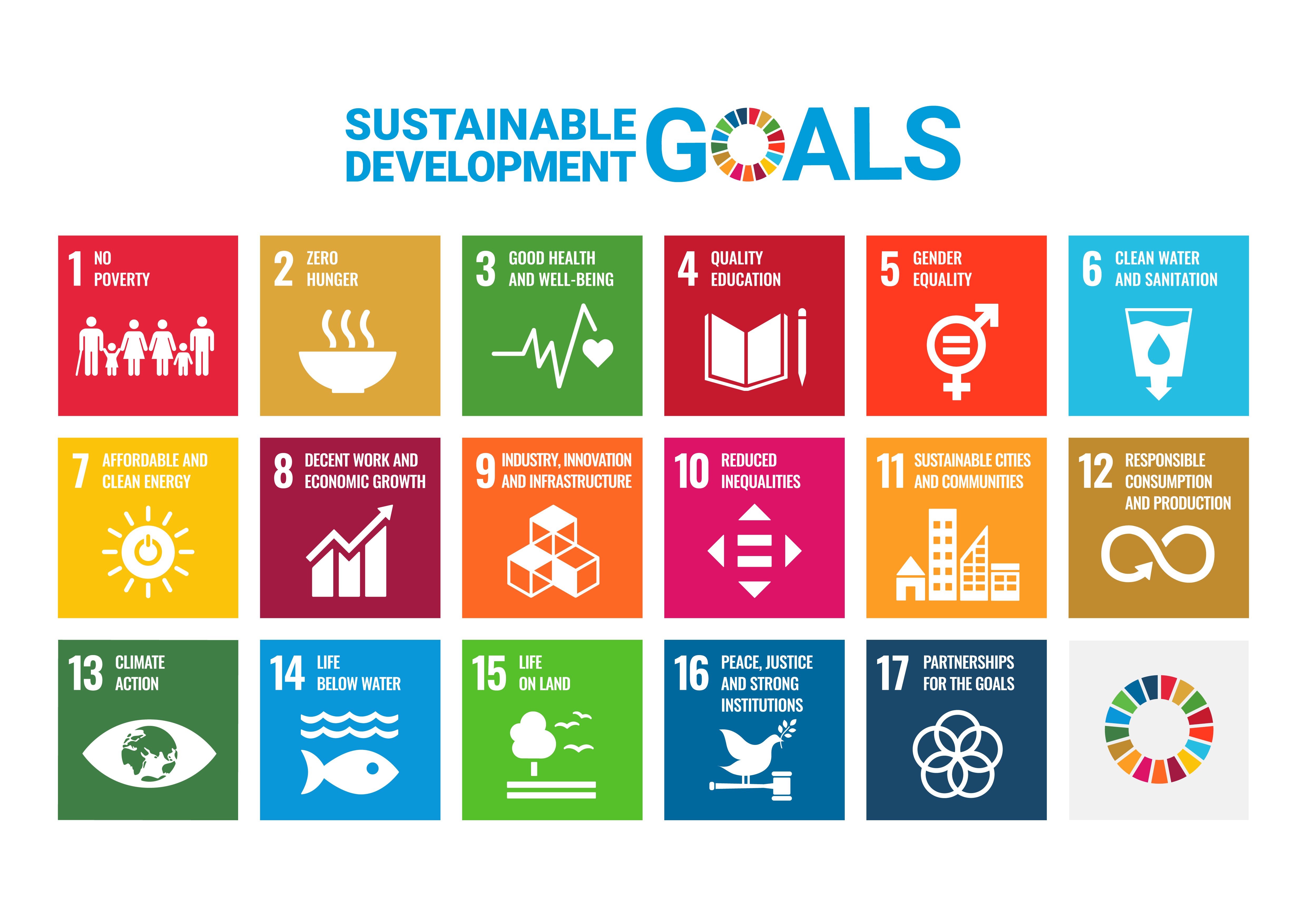
This report, following the tradition of CIÊNCIAS, reaffirms the School's institutional responsibility and the alignment of its education, research, innovation, connection with society, and management with the Sustainable Development Goals (SDGs) of the United Nations' 2030 Agenda.

The activities developed at CIÊNCIAS during the years 2022 to 2024 are scrutinized, and the results are evaluated using 115 indicators, of which 20 are key indicators, within a conceptual framework based on the SDGs. A quantitative and reproducible evaluation methodology, adapted to the academic context, is presented.

Three years after the last report, it is with enormous satisfaction that I review the excellence of CIÊNCIAS in this report and in the indicators it presents. CIÊNCIAS remains clearly committed to a sustainable future. A long road lies ahead, one that hasn't deterred us in the last 115 years, and certainly won't deter us in the next 115.

I must thank everyone who contributed to this report, and even more so, each and every one who contributed to the results reflected in it. If CIÊNCIAS proves itself to be excellent and on the path to a sustainability that makes us proud, it is thanks to these people. To the teaching staff and researchers, the technical and administrative staff of CIÊNCIAS, and our dear students, I offer my heartfelt thanks!

Luís Carriço

Mariana Viais

Student (Master's in Organismal and Evolutionary Biology )

Member of the Sustainability Committee

This report reflects the combined efforts of students, professors, technical and administrative staff, and the management team of CIÊNCIAS towards a more sustainable future. The deadline for the 2030 Sustainable Development Goals is rapidly approaching, reminding us that much remains to be done. The challenges we face demand critical thinking, cooperation, and a continuous commitment to sustainability.

CIÊNCIAS needs the initiative, unity, and mutual support of the student body to continue all the work developed. It is through association that we assert ourselves as active agents, whose contribution gains real impact when integrated into the discussion and decision-making. This is how concrete and lasting solutions are built, supported by the dissemination of scientific knowledge and the involvement of the entire academic community.

May CIÊNCIAS continue to be an example of innovation, promoting awareness and collective commitment. To us, students: let us participate, make ourselves heard, and use the means at our disposal to drive change!

encontro-de-sustentabilidade

Sustainable Development Goals at CIÊNCIAS

Based on the Sustainable Development Goals (SDGs) of the United Nations' 2030 Agenda, the report provides a comprehensive framework encompassing environmental, social, economic, and governance dimensions. The methodology results from the critical adaptation of work developed by the Pablo Olavide University of Seville and the Council of Rectors of Spanish Universities, adjusted to the reality of CIÊNCIAS ULisboa through a participatory and scientifically rigorous process.

The work culminated in the definition of 115 universal and quantitative indicators, the vast majority of which are applicable to other institutions, complemented by key indicators and targets for 2030.

SDGs

Performance

A balance in 3 dimensions: People, Planet and Prosperity

59% of the indicators show a positive or neutral trend

Well-being and Social Equity (SDGs 1 / 2 / 3 / 4 / 5)

Reducing waiting times for psychological support

Reducing waiting times for psychological support

The average response time of the Psychological Support Office (GAPsi) decreased from 9 months (2018/20) to 3 months (2023/24), approaching the target, despite the number of consultations having increased by 41%.

More tools for reporting sexual and gender-based harassment

More tools for reporting sexual and gender-based harassment

The Complaints Channel has been in operation since 2022 and is yet another tool to combat discrimination and violence.

Graduation rate reaches 50.9%

Graduation rate reaches 50.9%

The percentage of students graduating has been increasing consistently in recent years, approaching the target.

Environmental Sustainability (SDGs 6 / 12 / 13 / 14 / 15)

Excellence in research on terrestrial life

Excellence in research on terrestrial life

SDG 15 (Protecting Life on Land) is the area with the greatest representation in the faculty's research projects, demonstrating scientific leadership in conservation.

Significant progress in protecting marine life

Significant progress in protecting marine life

The indicators associated with SDG 14 (Life Below Water) show mostly positive progress, in line with the institution's mission.

Good practices focused on Climate Action

Good practices focused on Climate Action

Almost a third (31.6%) of the campus's good sustainability practices contribute directly to SDG 13 (Climate Action).

Sustainable Growth and Innovation (SDGs 7/8/9/10/11)

Leadership in Sustainable Cities and Communities

Leadership in Sustainable Cities and Communities

SDG 11 is the area with the greatest contribution of good practices (43.1%), with projects such as Cicloficina and Permalab promoting urban sustainability on campus.

Investment in Research and Development grows

Investment in Research and Development grows

Investment in R&D increased by 14.5% between 2019 and 2024, and the number of patent applications more than doubled in the three-year period, according to the report.

More vocational training for CIÊNCIAS workers

More vocational training for CIÊNCIAS workers

The percentage of workers covered by vocational training programs tripled between 2019 and 2024.

Reports

Sustainability Report 2025
paginas-de-relatorio-sustentabilidade-en

Living Lab

Living Lab

The Living Lab for Sustainability @ Ciências is not just a physical space; it is the platform where teaching, research, and management intersect.

Created in 2015, the Lab seeks to give coherence and visibility to a diverse set of ongoing initiatives, enhancing the involvement of the academic community and society in the great challenge of sustainable development. Positioning itself as an innovation ecosystem for sustainability, the Living Lab welcomes experimentation and action-research projects encompassing the three fundamental dimensions—social, environmental, and economic.

Sustainability
Projects

Living Lab for Sustainability @ Ciências has several ongoing projects that promote sustainability within its campus and in the surrounding area. These projects address different dimensions of sustainability, including economic (energy efficiency) and environmental (promotion of biodiversity).
See all
Announcements

Gabriel Guimarães: “It’s important to speak in a relaxed manner and remove the negative emotional burden surrounding mathematics.”